
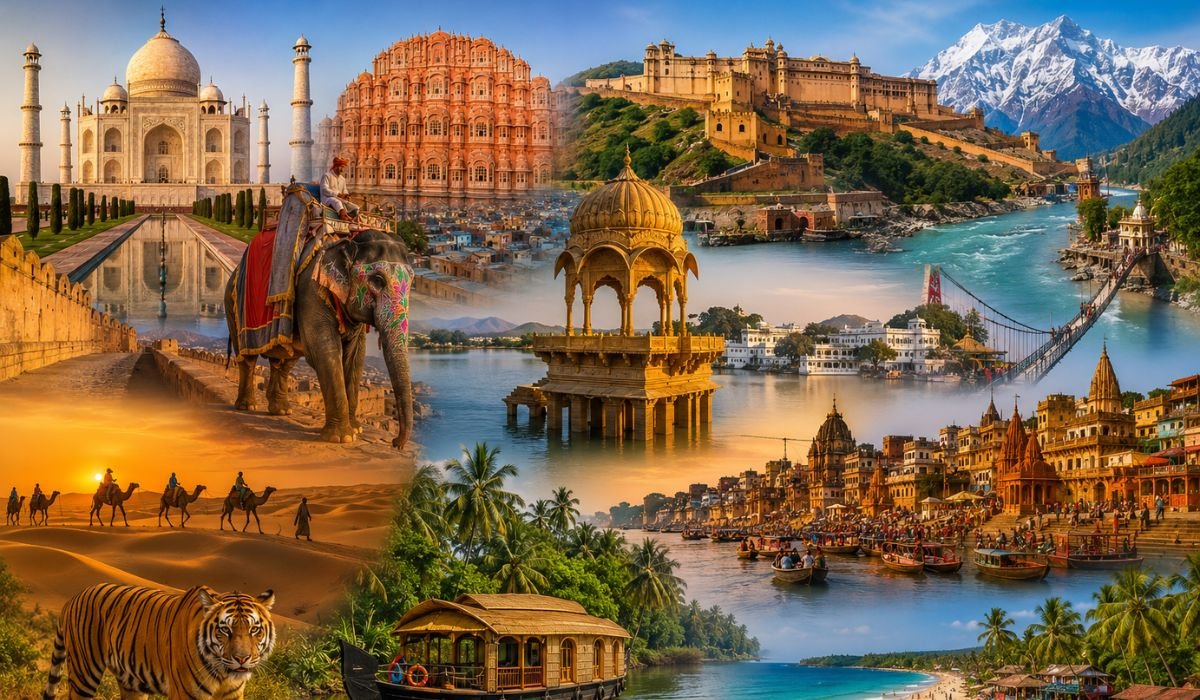
Traveling to India for the first time is one of the world’s most exhilarating travel adventures. From the luminous white marble of the Taj Mahal at dawn to the majestic cliffside ramparts of Rajasthan’s royal forts and the serene palm-fringed backwaters of Kerala, India offers a kaleidoscope of culture, history, and sensory splendor. Yet, for many international visitors—particularly travelers from the United States, United Kingdom, Europe, and Australia—anticipation is often accompanied by practical anxieties. Will the food make me sick? Is the water truly unsafe? How much should I tip my driver? What should I wear inside sacred temples? How do I navigate currency and avoid touts?
The truth is that traveling across India can be remarkably smooth, hygienic, safe, and deeply enriching when you understand a few essential ground rules. Armed with proactive habits and supported by professional chauffeured touring, you can completely sidestep digestive upsets, cultural misunderstandings, and commercial tourist traps. This authoritative 2026 pre-trip guide delivers the definitive insider essentials—covering drinking water protocols, culinary safety, exact rupee tipping benchmarks, cash management, cultural etiquette, smart packing, and scam prevention—so you can explore India with total peace of mind.
Quick Summary: The Golden Rules for First-Time Travelers
- Water: Never drink tap water anywhere in India—even in 5-star hotels. Drink and brush teeth only with sealed factory-bottled mineral water.
- Food: Choose piping-hot, thoroughly cooked dishes. India’s vegetarian cuisine is freshly prepared, nutritious, and the safest culinary choice.
- Tipping: Carry cash in Indian Rupees (INR). Standard benchmarks: ₹800–₹1,500/day for private chauffeurs; ₹500–₹1,500 for monument guides; ₹50–₹100/bag for porters; 7–10% in dining.
- Culture: Slip off shoes before entering temples; dress with covered shoulders and knees; always use your right hand for food and cash transactions.
- Scam Protection: Avoid unsolicited street touts claiming monuments are “closed.” Private chauffeured travel with a 100% No Forced Shopping Guarantee protects you from predatory commission bazaars.
1. Drinking Water Safety: Banishing “Delhi Belly” Forever
The infamous traveler’s stomach bug—often nicknamed “Delhi Belly”—is the single greatest fear for travelers arriving in India. In almost every case, digestive issues stem not from Indian food spices, but from waterborne bacteria to which foreign immune systems have no natural tolerance. By following five straightforward protocols, you can banish waterborne sickness entirely from your holiday.
The Absolute Rule: Zero Tap Water Consumption
Never drink untreated municipal tap water anywhere in India. This rule applies universally—from rural heritage homestays to ultra-luxury five-star palace hotels in Delhi, Jaipur, and Udaipur. While luxury hotels use industrial filtration and Reverse Osmosis (RO) systems for utility pipelines, municipal plumbing distribution infrastructure across the country can harbor microbial contaminants. Use tap water freely for showering, washing hands with soap, and laundry, but never ingest it.
The Factory Bottled Water Verification Protocol
Only drink water from sealed bottles manufactured by reputable, national brands. Look for recognized names such as Bisleri, Kinley (The Coca-Cola Company), Aquafina (PepsiCo), or premium natural mineral waters such as Himalayan and Vedica. When purchasing or being served bottled water at restaurants and heritage sites:
- Inspect the Neck Seal: Ensure the clear plastic shrink-wrap seal around the bottle cap is 100% intact and unpunctured.
- Listen for the Crack: Twist the cap firmly yourself; you must hear the audible plastic snapping sound of the factory ring separating from the cap.
- Examine the Bottle: Never accept bottles with scuffed labels, broken tamper-evident rings, or loose screw caps. In roadside restaurants (dhabas), decline open carafes or decanted tumblers (“regular water”) and specifically request “sealed packaged mineral water.”
- Crush After Use: Once you finish a plastic water bottle, crush the body and bend the neck before discarding it in a recycling bin. This simple action prevents unethical roadside vendors from refilling discarded bottles.
Dental Hygiene: The Bathroom Sink Habit
A frequent mistake made by international travelers is using tap water unconsciously while brushing teeth. Even a quick rinse or moistening your toothbrush with tap water can introduce foreign bacteria. Establish an unbreakable habit upon checking into every hotel room: place a sealed bottle of mineral water directly on top of the bathroom sink beside your toothbrush cup. Use bottled water for brushing your teeth, rinsing your mouth, and cleaning your toothbrush bristles.
Ice Etiquette: When to Say Yes and When to Decline
Ice in India is safe to consume in high-end, reputable dining establishments—including four-star and five-star hotels, luxury palace heritage properties, and upscale modern restaurants in major metropolitan hubs. These establishments manufacture their own ice cubes using high-capacity commercial RO-filtered water. However, when dining at casual street-side cafes, small family eateries, or highway stops, always decline ice by politely stating: “No ice, please” (or in Hindi, “Bina baraf ke”). Ice delivered in large, unshaped blocks on the street is meant for cooling food crates, not for beverage glasses.
The Incredible Rural India Vehicle Amenity Advantage
When traveling on private tours with Incredible Rural India, you never have to worry about finding clean drinking water on the road. Every private chauffeured vehicle in our modern air-conditioned fleet is equipped with an onboard cooler stocked with complimentary, factory-sealed, chilled bottled mineral water renewed fresh every single morning. Your chauffeur ensures an abundant supply throughout full-day excursions and intercity highway journeys across Rajasthan, the Golden Triangle, and rural routes.
When traveling by private car across Rajasthan, guaranteed vehicle hygiene and complimentary chilled bottled water are paramount. Both of our flagship touring itineraries—the 13-day Royal & Tropical Romance Luxury Honeymoon and the 11-day Living Heritage & Craft Villages Signature Tour—feature daily sanitization, professional English-speaking chauffeurs, and unlimited sealed mineral water.
2. Food Hygiene: How to Eat Authentically Without Getting Sick
Indian cuisine is celebrated worldwide for its aromatic depth, complex spice layering, and extraordinary variety. Tasting local delicacies is one of the greatest pleasures of visiting the subcontinent. You do not need to restrict yourself to bland international hotel buffets; by understanding how Indian kitchens operate, you can savor authentic street foods, royal curries, and regional specialties with complete culinary confidence.
The Golden Rules of Street Food Selection
Street food is the beating culinary heart of cities like Old Delhi, Jaipur, Lucknow, and Mumbai. To experience it safely, apply three non-negotiable filters:
- High Local Turnover: Always patronize food stalls mobbed by local Indian families, professionals, and students. A crowded vendor is actively cooking in real time, meaning ingredients are replenished every 20 to 30 minutes rather than sitting exposed to room temperature and airborne dust.
- Cooked Piping Hot in Front of You: Only consume items that are boiled, griddled, or deep-fried fresh before your eyes. Samosas plunging into rolling oil, tawa parathas sizzling on a smoking iron skillet, freshly puffed bhaturas, and hot sweet jalebis are cooked at temperatures that instantly destroy any biological pathogens.
- Avoid Cold, Cut, and Raw Foods: Never purchase pre-cut fruits (papaya, watermelon, pineapple) from open-air street carts where knives and cutting surfaces are rinsed in untreated water and exposed to flies. Avoid uncooked street salads (such as raw onion and cucumber slices) and thin, unboiled green mint or coriander chutneys that may incorporate unboiled tap water. Stick to fruits you can peel yourself (bananas, oranges, mangoes, pomegranates).
- Masala Chai Is Completely Safe: Authentic roadside Indian chai is one of the safest drinks in the country. The tea leaves, whole milk, water, fresh ginger, and spices are brought to a vigorous rolling boil together for several minutes, sterilizing the beverage completely before being poured hot into a disposable clay cup (kulhad) or paper cup.
India’s Vegetarian Superpower: The Smartest Culinary Choice
India is home to the planet’s most sophisticated and delicious vegetarian culinary heritage—approximately 35% to 40% of India’s population adheres to a strict vegetarian diet. In states like Rajasthan and Gujarat, that proportion rises above 70%. As an international traveler, vegetarian food is your ultimate secret weapon for gastrointestinal well-being:
- Pristine Freshness and Thorough Cooking: Traditional Indian vegetarian dishes—such as slow-simmered black lentils (dal makhani), yellow lentils tempered with cumin and mustard seeds (dal tadka), fresh cottage cheese curries (paneer butter masala, palak paneer), and seasonal vegetable subzis—are cooked for extended periods at high heat.
- Zero Meat-Chain Contamination Risks: Meat in developing countries requires stringent refrigeration chains from butcher to pan. On long highway drives between Delhi, Agra, and Jaipur, rural road stops may experience power cuts that affect refrigeration. Choosing vegetarian dishes eliminates meat-chain spoilage risks entirely while offering rich, nourishing flavors.
- Tandoori Breads: Freshly baked breads like garlic naan, tandoori roti, and flaky lachha parathas are slapped directly onto the white-hot clay walls of an 800°F tandoor oven and served immediately to your table. They are 100% sterile, delicious, and easy on digestion.
Natural Probiotics and Digestive Health
Traditional Indian meals are naturally engineered to aid digestion. Fresh curd (dahi) and freshly churned yogurt beverages—such as a refreshing sweet Punjabi lassi or a salted, roasted-cumin buttermilk (chaas)—are teeming with live, beneficial lactobacillus cultures that replenish and stabilize your gut flora. Enjoying a bowl of plain curd with lunch or dinner coats the stomach and soothes any heat from warming spices. Keep a box of Oral Rehydration Salts (ORS or Electral packets) in your daypack; if you experience mild fluid loss during hot afternoon touring, dissolving one packet in a sealed bottle of mineral water rapidly restores electrolyte balance.
3. The Ultimate Tipping Etiquette Guide: Exact Rupee Benchmarks
Tipping in India—known locally as baksheesh—is a widely practiced custom that acknowledges attentive, dignified, and courteous personal service. In the hospitality and tourism sectors, tips represent a meaningful portion of livelihood for hardworking staff who go out of their way to make your journey comfortable. However, tipping should never feel stressful, confusing, or coercive. Below is the definitive, industry-standard tipping benchmark table in Indian Rupees (INR) for 2026.
| Service Provider | Recommended Tip (INR) | Timing & Delivery Etiquette | Operational Context & Notes |
|---|---|---|---|
| Private Tour Chauffeur | ₹800 – ₹1,500 / day | Given in cash as a cumulative lump sum on the final departure day. | Total per vehicle (not per traveler). Chauffeurs work 10–12 hours daily, navigating traffic, safeguarding luggage, and maintaining vehicle cleanliness. Tip ₹1,200–₹1,500/day for exceptional dedication. |
| Licensed Monument Guide | ₹500 – ₹800 (Half-Day) ₹1,000 – ₹1,500 (Full-Day) |
Handed directly at the conclusion of monument tour before parting. | Applies to approved government-licensed historical guides. Tip at the higher end if the guide answered extensive questions and shielded your group from touts. |
| Hotel Bellhops & Porters | ₹50 – ₹100 / bag | Handed directly upon luggage delivery to room or loading into vehicle. | ₹50 per bag is standard in 3-star/4-star hotels; ₹100 per heavy bag in 5-star luxury heritage palaces. |
| Restaurants & Dining | 7% – 10% of bill (Optional if Service Charge added) |
Left in the bill folder or paid via credit card terminal. | Check your itemized bill first: if a 5%–10% “Service Charge” is already levied, no further tip is necessary. If absent, 7%–10% is customary. Cash tips reach waiters directly. |
| Hotel Housekeeping | ₹100 – ₹200 / night | Left daily on bedside table with a small “Thank You” note. | Tipping daily is better than at checkout, as different cleaning shifts service your room on different days. |
| Monument Shoe Attendants | ₹10 – ₹20 per pair | Handed when reclaiming your footwear from temple shoe counters. | Small change or coins. Ensure you always keep ₹10 and ₹20 notes in an easily accessible front pocket. |
| Safari Naturalists & Boatmen | ₹300 – ₹500 / excursion | Handed directly at the conclusion of boat cruise or wildlife drive. | Per party for a sunrise boat ride in Varanasi, Lake Pichola cruise in Udaipur, or Ranthambore tiger safari driver/trackers. |
Key Tipping Rule: Never tip in foreign coins (e.g., US Quarters, British Pence, or Euro coins). Indian banks and money changers do not convert foreign coins, making them worthless to local service staff. Always tip in Indian Rupee banknotes.
4. Money Matters: Cash, ATMs, Cards, and Foreign Exchange
India’s financial landscape has experienced a digital revolution over the past decade, with Unified Payments Interface (UPI) QR codes ubiquitous from roadside coconut vendors to high-end boutiques. However, because international travelers cannot easily link foreign bank accounts to domestic Indian UPI apps, understanding how to balance cash and cards is vital.
Cash Is Essential for Daily Travel
Always maintain a daily reserve of physical cash in Indian Rupees (INR). You will need cash for monument shoe attendants, temple donations, auto-rickshaws, roadside chai stops, tipping hotel and restaurant staff, and buying handcrafted textiles directly from rural artisan cooperatives in places like Bagru, Mandawa, and rural Rajasthan. Request smaller denominations (₹50, ₹100, and ₹200 notes) whenever you change money; breaking large ₹500 notes for a ₹20 chai can prove difficult for small vendors.
Credit Cards: Acceptance and the Dynamic Currency Trap
Major international credit cards (Visa and MasterCard) are universally accepted at four-star and five-star hotels, fine-dining restaurants, certified state handicraft emporiums, and airport stores. American Express is accepted at luxury hotel chains and high-end boutiques, though less widely accepted at casual restaurants.
- Always Pay in INR: When presenting your credit card, card swipe machines may ask whether you wish to be billed in your home currency (USD, GBP, EUR) or in Indian Rupees (INR). Always choose INR. Opting for your home currency triggers Dynamic Currency Conversion (DCC), which allows the merchant’s processing bank to levy an inflated conversion fee of 3% to 7% on top of normal exchange rates.
- Notify Your Bank Before Departure: Inform your issuing bank of your travel dates and route in India to prevent automated anti-fraud security blocks from freezing your card while paying for a hotel or meal.
ATM Best Practices in India
Withdrawing cash from ATMs in India is convenient and generally offers the best interbank foreign exchange rates. Follow these safety rules:
- Use Bank-Attached ATMs: Only withdraw cash from ATMs physically embedded within or adjacent to major national and international bank branches—specifically State Bank of India (SBI), HDFC Bank, ICICI Bank, and Axis Bank. These ATMs are monitored by armed security guards, feature CCTV surveillance, and have minimal risk of card-skimming hardware.
- Avoid Isolated Standalone ATMs: Avoid unbranded, standalone ATM kiosks located down dark side alleys or in quiet transport hubs that appear neglected.
- Exchange Counters at Airports: Currency exchange desks inside international airport arrival halls charge exorbitant commission margins (often 10% to 15% below actual market rates). Only exchange $50 to $100 at the airport for emergency transit cash, then withdraw cash from a reputable city bank ATM.
5. Cultural Etiquette & Respectful Conduct
India is an ancient civilization renowned for warmth, hospitality, and spiritual devotion. The Sanskrit adage “Atithi Devo Bhava” (“The guest is equivalent to God”) is deeply embedded in Indian society. In return, international visitors who demonstrate awareness of traditional customs and religious norms are greeted with genuine warmth and admiration.
Footwear Removal: Temples, Mosques, and Homes
Footwear carries dirt from the street and is strictly prohibited inside sacred spaces. You must remove shoes before entering Hindu temples (mandirs), Islamic mosques (masjids), Sikh Gurudwaras, Buddhist monasteries, and private Indian homes. Most major historical monuments (such as the Taj Mahal mausoleum platform, Qutub Minar mosque complex, and Amber Fort temple) operate designated shoe storage stands where attendants issue a token for a nominal fee of ₹10–₹20.
Pro-Tip for Afternoon Temple Visits
Polished white marble courtyards at temples and monuments absorb heat and become scorching under the afternoon sun. Always pack a pair of thick, dark-colored cotton slip-on socks in your daypack. While shoes must be removed, walking in socks is completely permitted and protects the soles of your feet from burning stone surfaces.
Modest Dress Codes and Head Coverings
India is generally conservative regarding public attire, particularly outside cosmopolitan nightclub districts in South Mumbai and South Delhi. Modest clothing earns universal respect and prevents unwanted staring:
- Shoulders and Knees: Both men and women should wear clothing that covers shoulders, upper arms, and knees when visiting monuments, religious sites, and rural bazaars. Sleeveless tank tops, short shorts, and deep necklines are inappropriate at places of worship.
- The Essential Scarf (Dupatta): Female travelers should always carry a lightweight cotton scarf or shawl in their day bag. A scarf is invaluable for instantly draping over shoulders in temples, covering hair when required, or shielding from sun and road dust.
- Sikh Gurudwaras: Covering your head is strictly mandatory for both men and women inside Sikh Gurudwaras (such as Gurudwara Bangla Sahib in Delhi). Headscarves are provided free at the entrance, but wearing your own scarf or bandana is more comfortable and personal. You must also wash your hands and walk through a shallow foot-cleansing water bath before entering.
- Leather Restrictions: In certain orthodox Hindu and strict Jain temples (such as the Ranakpur Jain Temple in Rajasthan), items made of animal leather—including leather belts, wallets, and camera straps—are forbidden inside the shrine. Cloth belts or canvas pouches are recommended.
The Right-Hand Rule
In traditional Indian culture, the right hand is reserved for clean, sacred activities, while the left hand is associated with personal bathroom hygiene. Always use your right hand when:
- Eating food, breaking pieces of flatbread, or dipping into curries.
- Passing money, credit cards, or tips to another individual.
- Giving or receiving gifts, offerings, and prasad (temple blessings).
- Shaking hands during an introduction.
Photography Etiquette and Religious Sanctums
India is a photographer’s paradise, but courtesy is paramount:
- Always Ask First: Before taking portraits of local residents, holy men (sadhus), village elders, or rural artisans, make eye contact, smile, and ask: “Photo, please?” Most people will smile and welcome the photo, especially if you show them the preview on your screen afterward.
- Temple Inner Sanctums (Garbhagriha): Photography is strictly prohibited inside the inner sanctum of active Hindu temples where deity idols are enshrined, as well as during ongoing prayer rituals (aarti) and cremations at sacred ghats in Varanasi. Look for “No Photography” signage and respect temple priests’ instructions.
- Tripod & Drone Regulations: Drones are strictly banned at all Archaeological Survey of India (ASI) heritage monuments without prior written government permits. Commercial-sized tripods and gimbals often require specialized clearance at monuments like the Taj Mahal; handheld cameras and smartphones are welcome.
The Universal Greeting: Namaste
The traditional greeting “Namaste” (or “Namaskar”) is performed by placing both palms together flat in front of your chest with fingers pointing upward, accompanied by a slight, respectful bow of the head. It translates philosophically to “I bow to the divine within you.” Using Namaste when greeting hotel hosts, chauffeurs, elders, and shopkeepers immediately breaks cultural barriers, expresses warmth, and avoids awkwardness regarding whether to shake hands (which some conservative women or holy men may prefer not to do).
6. Comprehensive Packing Checklist for India
Packing smart for India requires balancing lightweight, breathable comfort for warm afternoons with protective modesty, temple accessibility, and surprisingly cold winter mornings in the north. Here is your definitive itemized packing checklist.
Clothing & Fabrics
- Natural, Breathable Fabrics: Pack clothing made from 100% lightweight cotton, linen, or moisture-wicking natural blends. Synthetic fabrics (polyester, nylon) trap sweat and become uncomfortable in tropical humidity.
- Loose-Fitting Trousers & Maxi Skirts: Lightweight chinos, loose cargo pants, linen trousers, or ankle-length skirts provide optimal ventilation while keeping legs appropriately covered for monuments.
- Long-Sleeve Linen/Cotton Shirts & Kurtas: Long sleeves protect your arms from intense daytime UV radiation and evening mosquitoes while maintaining cultural modesty.
- North India Winter Layers (November through February): Many travelers are unprepared for northern India’s winter chill. In Delhi, Agra, Jaipur, and rural Rajasthan, nighttime and early-morning temperatures routinely plunge to 5°C–10°C (41°F–50°F). Pack thermal base layers, a lightweight packable down jacket or fleece, a woolen scarf, and gloves—especially for dawn boat rides on the Ganges or open-top safari jeeps in Ranthambore National Park.
Footwear
- Comfortable Slip-On Walking Shoes: You will remove your shoes dozens of times while touring temples, palaces, and heritage sites. Slip-on walking shoes (loafers, slip-on sneakers, or secure-strap walking sandals) save immense time and hassle compared to lace-up boots.
- Dark Cotton Temple Socks: 3–4 pairs of thick cotton socks to slip on over bare feet on scorching or dusty temple courtyards.
Personal Health & Hygiene Kit
- Mosquito Repellent: Bring an effective repellent containing DEET (20%–30%) or Picaridin. You can also purchase Odomos—India’s widely trusted, pleasant-smelling herbal mosquito cream—at any pharmacy on arrival.
- Hand Sanitizer & Biodegradable Wipes: Multiple pocket-sized bottles of alcohol-based hand sanitizer (at least 60% alcohol) and packs of biodegradable wet wipes for freshening up before meals and after monument visits.
- Broad-Spectrum High-SPF Sunscreen: Minimum SPF 50 for intense mid-day sun across Rajasthan and southern beaches.
- Digestive First-Aid: Oral Rehydration Salts (ORS packets), loperamide (Imodium), bismuth subsalicylate (Pepto-Bismol chewables), and a course of traveler’s antibiotic prescribed by your home physician.
- Motion Sickness Medication: If your itinerary includes winding mountain roads in Kerala (Munnar) or the Himalayan foothills (Shimla, Dharamshala).
Electronics & Power Adapters
- Power Plugs and Voltage: India operates on a 230V supply voltage and 50Hz. Electrical sockets in Indian hotels generally accommodate Type D (large 3-pin round plug) and Type C (standard European 2-pin round plug). Some modern five-star hotels feature universal multi-pin sockets, but carrying a dedicated Type D grounded adapter ensures compatibility in heritage palace properties and boutique havelis.
- High-Capacity Power Bank: A 10,000 to 20,000 mAh portable battery pack is essential for recharging smartphones used for photography, offline maps, and travel notes throughout 10-hour sightseeing days.
7. Common Scams & The Shield of Private Chauffeured Touring
While violent crime against foreign tourists in India is exceptionally rare, petty commercial opportunism and hustle tactics can occasionally test the patience of first-time travelers. Being aware of common street diversions allows you to neutralize them effortlessly.
Classic Street Hustles to Watch Out For
- The “Monument Is Closed Today” Diversion: Near popular attractions like New Delhi Railway Station, Connaught Place, or outside Agra Fort, well-dressed touts or rogue auto-rickshaw drivers may approach you claiming: “Sir/Ma’am, that temple is closed today for a private religious festival/cleaning” or “Road is blocked by police.” They will offer to take you to an “official government emporium” or alternate bazaar. Fact: Major monuments have fixed schedules (the Taj Mahal is closed only on Fridays; most heritage forts are open 365 days a year). Never accept schedule advice from street strangers; verify directly at the official ticket window.
- The Shoe-Shine or “Dropping Something” Trick: Outside busy transport hubs, an accomplice may discreetly squirt mud or pigeon droppings onto your shoe, followed immediately by a seemingly helpful shoe-shiner who offers to clean it for an exorbitant fee. Ignore the distraction, keep walking into your hotel or vehicle, and clean your footwear yourself.
- Forced Shopping and Commission Bazaars: Rogue taxi drivers often insist on taking you to “special government-approved craft cooperatives” claiming you can buy carpets, gemstones, pashmina shawls, or marble inlay at wholesale rates. In reality, these emporiums pay drivers a 40% to 50% kickback commission added directly to your purchase price.
How Incredible Rural India Completely Shields You
Navigating India independently with street taxis and public transport exposes travelers to constant tout solicitations and aggressive bargaining. In contrast, touring with Incredible Rural India provides an impenetrable shield of professionalism and peace of mind:
- 100% No Forced Shopping Guarantee: We enforce an absolute, non-negotiable zero-commission policy. Our chauffeurs and guides are strictly forbidden from taking you to predatory commission bazaars or high-pressure souvenir emporiums. If you genuinely wish to see master craftsmen at work—such as natural hand-block printing in Bagru or traditional pottery in rural villages—you are taken directly to authentic artisan cooperatives where your spending directly supports local village families at transparent, fair prices.
- Background-Vetted, English-Speaking Chauffeurs: Your chauffeur is your trusted guardian on the road. From the moment you exit the airport terminal until your final departure flight, your chauffeur meets you curbside, manages your luggage securely, waits at monument exit gates, and effectively buffers you from street hustlers, touts, and unmetered transport hagglers.
- 24/7 Dedicated Trip Concierge & Immediate Fleet Replacement: Backed by round-the-clock telephone and WhatsApp concierge support, your itinerary is continuously monitored to ensure smooth hotel check-ins, timely monument visits, and immediate assistance should any health or travel need arise.
Frequently Asked Questions (FAQs)
Here are authoritative answers to the most common practical questions asked by travelers preparing for their first journey to India.
Can I drink tap water at 5-star hotels in India?
No. Even in luxury five-star hotels and royal heritage palaces, municipal tap water should not be consumed internally. While luxury properties maintain sophisticated filtration and Reverse Osmosis (RO) plants for utility water, piping systems across the country can harbor microbial contaminants foreign to international digestive systems. Reputable luxury hotels provide complimentary sealed factory bottled mineral water in every room daily. Always use bottled water for drinking, taking medications, and brushing your teeth.
How much should I tip my private driver on a multi-day tour in India?
For a dedicated private chauffeur on a multi-day tour across Rajasthan or North India, the industry standard benchmark is ₹800 to ₹1,500 per day total for the entire vehicle (not per passenger). This gratuity recognizes their 10 to 12 hours of daily service, defensive driving through challenging traffic, luggage care, and vehicle upkeep. If your chauffeur demonstrated outstanding professionalism, local insight, and courtesy throughout your journey, a tip of ₹1,200 to ₹1,500 per day handed as a cumulative lump sum in cash on the final day is customary and deeply appreciated.
Is street food in India safe for foreign tourists to eat?
Street food is safe and delicious if you adhere strictly to basic hygiene filters: only eat items cooked piping hot directly in front of you—such as fresh samosas emerging from boiling oil, hot griddled parathas, or boiling masala chai. Choose food stalls mobbed by local Indian families, which guarantees rapid turnover and fresh ingredients. Completely avoid cold cut fruit, raw salads, and unboiled mint chutneys. When in doubt, India’s thoroughly cooked vegetarian cuisine is the safest, most nutritious dining option.
What dress code should I follow when visiting temples and religious monuments?
When visiting Hindu temples, mosques, and Gurudwaras, both men and women should wear clothing that covers shoulders and knees (e.g., lightweight linen trousers, long skirts, or shirts with sleeves). Women should always carry a lightweight cotton scarf (dupatta) in their daypack to cover their heads inside Sikh Gurudwaras and historic mosques. Footwear must always be removed before entering sacred premises. Carrying a pair of thick slip-on socks protects feet from scorching marble courtyards in the afternoon.
Are credit cards widely accepted in India, or do I need to carry cash?
Major international credit cards (Visa and MasterCard) are widely accepted at hotels, fine-dining restaurants, certified craft emporiums, and modern shops in major cities. However, physical cash in Indian Rupees (INR) remains essential for daily incidentals—including tips, temple shoe attendants, roadside tea, auto-rickshaws, and rural artisan purchases. Withdraw cash as needed from ATMs attached directly to major bank branches (State Bank of India, HDFC, ICICI, Axis Bank), and always choose to be billed in INR on credit card terminals to avoid Dynamic Currency Conversion fees.
Experience India with Total Comfort, Hygiene & Care
Ready to explore the wonders of the Golden Triangle, royal Rajasthan, and vibrant rural India without the stress of logistics, touts, or hygiene concerns? Incredible Rural India pairs you with background-vetted, English-speaking chauffeurs, pristine modern AC vehicles equipped with daily chilled bottled water, and our ironclad 100% No Forced Shopping Guarantee.
Recommended Inbound Tour Packages
Experience India with complete peace of mind under Founder Rajendra Sharma’s personal care and 100% No Forced Shopping Guarantee:
- Luxury & Romance: Royal & Tropical Romance: Luxury Honeymoon & Cultural Journey (13 Days) — Grand palaces of Rajasthan combined with serene private Kerala backwaters.
- Artisan Heritage: The Living Heritage & Craft Villages Signature Tour (11 Days) — Master artisans, rural crafts, and living heritage across Jaipur, Shekhawati, and Jodhpur.