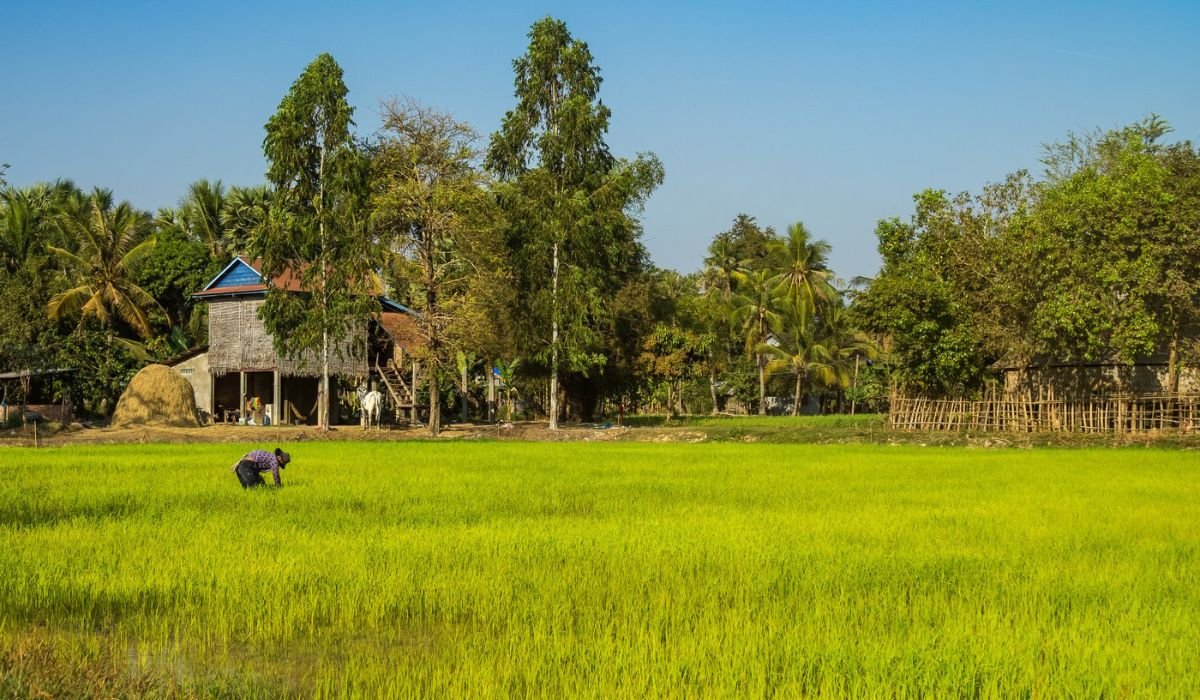
Imagine waking up to the sound of roosters, sipping chai made from fresh village milk, and joining locals in a pottery workshop under the golden sun. That’s the magic of rural tourism in India—a chance to step away from crowded cities and dive into the heart of authentic Indian village life.
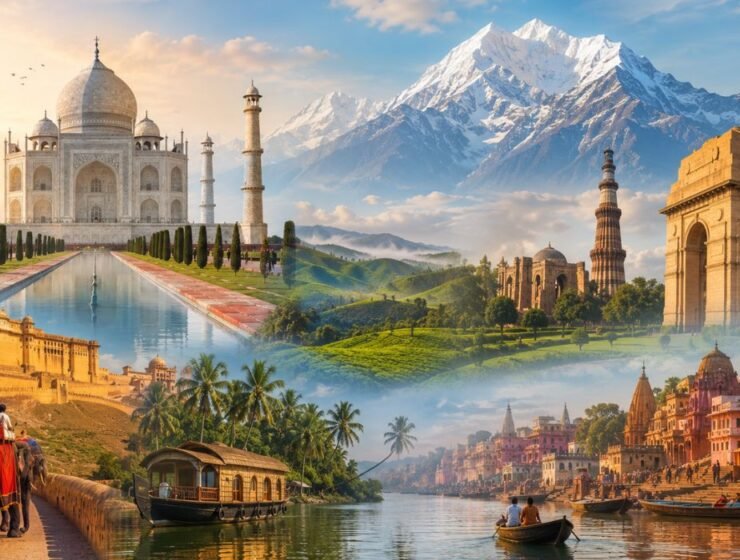
For travelers exploring India beyond villages, many also combine such experiences with iconic cultural sites like the Taj Mahal during a Sunrise Taj Mahal Tour, creating a perfect blend of heritage and local lifestyle.
In a country where over 65% of the population lives in rural areas, rural tourism’s meaning goes beyond sightseeing. It’s about meaningful connections with nature, culture, and communities. With travelers craving sustainable experiences post-pandemic, village tourism in India is booming, offering a refreshing alternative to urban chaos.
This guide breaks down everything you need to know, from its essence to tips for responsible exploration.
Understanding Rural Tourism in India
Rural tourism in India involves traveling to countryside areas to experience everyday village life, traditions, and natural surroundings. Unlike city tours packed with landmarks, it emphasizes slow-paced immersion in rural lifestyle experience India.
At its core, rural tourism meaning is about authenticity. Visitors stay in homestays, learn farming techniques, or taste home-cooked meals—far from polished resorts.
It differs from traditional tourism by prioritizing local participation over mass entertainment. No guided bus tours here; instead, spontaneous interactions with villagers.
The Indian government supports this through initiatives like the National Rural Tourism Development Plan, aiming to boost rural economies while preserving heritage.
Key Features of Rural Tourism
What sets rural tourism apart? It’s an unfiltered glimpse into traditional Indian villages.
- Authentic Village Life: Wander mud-brick homes, cycle through paddy fields, and chat with farmers about monsoon harvests.
- Cultural Immersion: Participate in folk dances, storytelling sessions, or temple rituals that reveal local culture and heritage tourism.
- Local Traditions & Crafts: Try weaving bamboo baskets, painting pottery, or making jaggery—hands-on lessons in age-old skills.
- Sustainable Practices: Many spots focus on eco tourism villages India, using solar power and organic farming to minimize impact.
These elements create an Indian village experience of tourism that’s deeply personal and rejuvenating.
Benefits of Rural Tourism
Rural tourism offers wins for everyone involved. Let’s break it down.
For Travelers
Escape city stress with fresh air and genuine interactions. Gain insights into India’s diverse rural lifestyles, from Himalayan hamlets to Rajasthan’s deserts. It’s budget-friendly too—homestays cost a fraction of hotels.
Many travelers often combine rural experiences with broader journeys such as the Golden Triangle Tour with Ranthambore, where wildlife, heritage cities, and glimpses of rural India come together in one trip.
For Local Communities
It generates income through homestays, guiding, and craft sales. Villagers empower themselves, with women often leading enterprises. Studies show it preserves traditions by making them economically viable.
For the Environment
Promotes sustainable tourism in India by encouraging low-impact stays. Reduced plastic use, tree-planting activities, and wildlife conservation efforts help protect fragile ecosystems.
Overall, benefits of rural tourism ripple outward, fostering harmony between people and nature.
Popular Rural Tourism Experiences in India
Ready for adventure? Dive into these immersive activities.
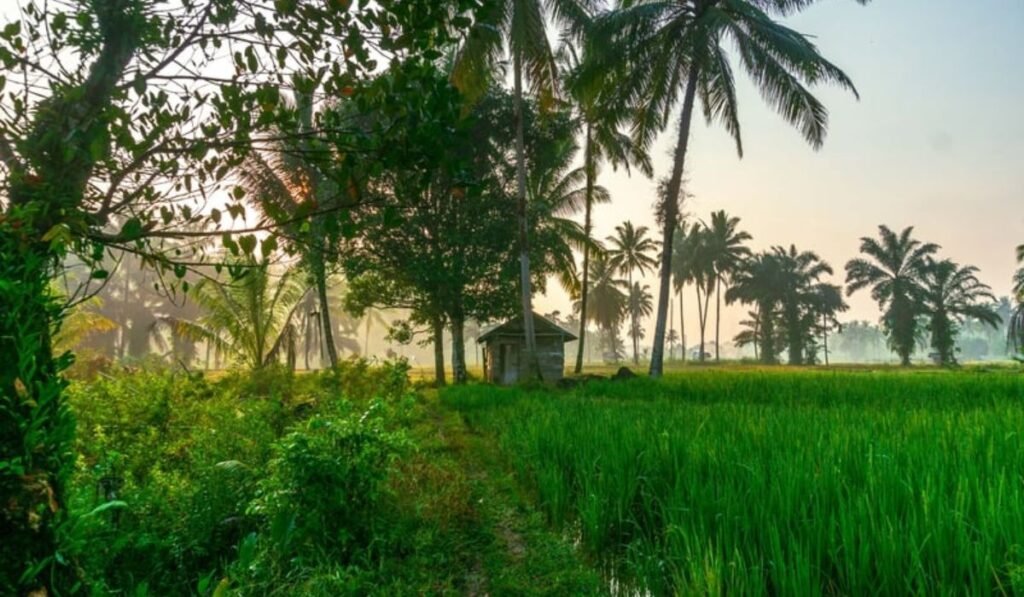
- Farming Activities: Plant rice seedlings, milk cows, or harvest spices—learn where your food comes from.
- Village Stays: Overnight in rural homestay experience India, sharing meals around a chulha (clay stove).
- Handicrafts & Local Art: Master block printing in Bagru or wood carving in Bastar.
- Festivals & Traditions: Time your visit for Holi in Mathura villages or Onam in Kerala countryside.
These experiences turn trips into stories you’ll retell for years.
Examples of Rural Tourism Destinations in India
India’s rural gems span regions, each with unique flavors.
In Rajasthan, Mewat villages offer camel safaris and folk music amid arid landscapes. Kerala’s Kumarakom backwaters feature houseboat-free stays with toddy tapping.
Head to Nagaland’s Khonoma for bamboo forests and warrior heritage, or Uttarakhand’s Kumaon hills for organic tea estates.
Orissa’s Raghurajpur showcases Pattachitra paintings, while Maharashtra’s Panchgani villages tempt with strawberry picking.
These spots highlight cultural tourism in rural India without the crowds.
Role of Government in Promoting Rural Tourism
India’s government plays a key role in scaling rural tourism responsibly.
Schemes like Swadesh Darshan promote infrastructure in offbeat villages. The Ministry of Tourism’s Rural Tourism Scheme trains locals in hospitality.
UNWTO partnerships emphasize sustainability, funding eco-friendly upgrades. States like Gujarat’s “Village Tourism” program integrates homestays with digital bookings.
These efforts balance growth with preservation.
Challenges in Rural Tourism
Despite promise, hurdles remain.
Infrastructure gaps—like poor roads—limit access. Many areas lack clean water or reliable electricity.
Awareness is low; urban travelers often overlook hidden gems. Over-tourism risks in popular spots could erode authenticity.
Accessibility for differently-abled visitors needs improvement too. Addressing these ensures long-term viability.
Future of Rural Tourism in India
The horizon looks bright. With sustainable travel trends rising, rural tourism could contribute 10% to India’s tourism GDP by 2030.
Digital tools like apps and VR previews will boost visibility. Post-2025 Google updates favor authentic, local content, drawing more searchers.
Young villagers returning home with skills will innovate, blending tradition with modernity.
Tips for Experiencing Rural Tourism Responsibly
Make your trip positive—here’s how.
- Respect culture: Dress modestly, ask before photos, and follow local customs.
- Support locals: Buy directly from artisans, eat family meals.
- Eco-friendly travel: Use reusable bottles, avoid single-use plastics, offset carbon via tree planting.
- Learn basics: Pick up a few local phrases for warmer welcomes.
- Travel off-peak: Ease pressure on resources.
Even short urban explorations, like a Same Day Delhi Tour, can introduce travelers to traditional markets, old neighborhoods, and cultural elements that reflect India’s deeper roots.
FAQs
1. What is rural tourism in simple words?
Rural tourism means visiting countryside villages to live like locals, enjoying authentic culture, nature, and traditions away from city hustle.
2. Why is rural tourism important in India?
It boosts rural economies, preserves heritage, and offers sustainable alternatives to over-touristed spots, benefiting travelers, communities, and the environment.
3. What are examples of rural tourism?
Popular ones include village homestays in Rajasthan, farming in Uttarakhand, handicrafts in Odisha, and festivals in Kerala—immersive and diverse.
4. Is rural tourism eco-friendly?
Yes, when done right. It promotes organic practices, low-impact stays, and conservation, aligning with sustainable tourism in India.
5. How does rural tourism help villagers?
It creates jobs via homestays and crafts, empowers women entrepreneurs, and funds community projects like schools and roads.
6. What makes village tourism in India unique?
Its blend of ancient customs, diverse landscapes, and warm hospitality offers an unmatched rural lifestyle experience in India.
7. Can families enjoy rural tourism?
Absolutely—kids love animal interactions and crafts, while parents appreciate the calm and cultural lessons.
Conclusion
Whether chasing cultural tourism in rural India or eco tourism villages India, these experiences enrich the spirit. Explore mindfully, and let India’s countryside weave its magic.
Rural tourism in India unlocks the soul of the nation—vibrant villages, timeless traditions, and sustainable joy. From understanding its meaning to embracing responsible tips, it’s a path to deeper travel.